Introduction
Ostomy treatment is a vital facet of health care for people that have actually gone through surgery that develops an opening (stoma) in the abdomen. This procedure can stem from numerous clinical problems, consisting of cancer cells, inflammatory bowel condition, or trauma. Comprehending ostomy care is essential for both patients and caregivers to make sure a top quality of life and to lessen difficulties post-surgery. In this article, we will dive deep into the best techniques associated with ostomy care while including appropriate training and educational sources available.
What is Ostomy Care? A Comprehensive Look at Best Practices
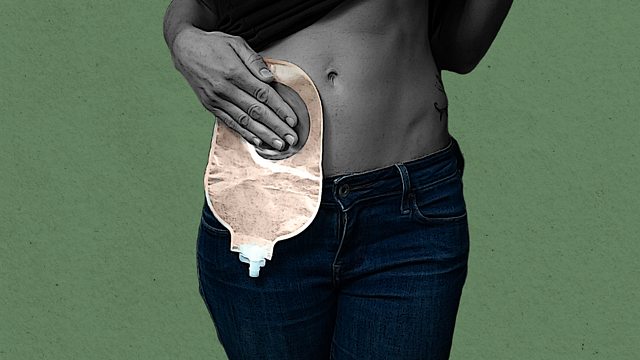
Ostomy treatment describes the monitoring of a stoma resulting from surgeries such as colostomy, ileostomy, or urostomy. These medical treatments produce a man-made opening through which bodily waste is removed. Correct ostomy care entails not just the physical administration of the stoma yet likewise emotional assistance for those adapting to this life change.
Understanding Stomas: Kinds and Functions
- Colostomy: This kind entails drawing away component of the colon with the abdominal wall. It typically arises from conditions like colorectal cancer cells or diverticulitis. Ileostomy: This entails the diversion of the ileum, usually necessary when the entire colon should be gotten rid of as a result of problems like Crohn's disease. Urostomy: This procedure reroutes urine away from an infected or malfunctioning bladder.
Each type of stoma demands different care techniques.
The Importance of Ostomy Care
The importance of correct ostomy care can not be overstated. Not enough care can result in complications such as skin irritability, infections, and blockages. Moreover, recognizing exactly how to handle an ostomy can equip individuals and enhance their autonomy in day-to-day life.
Best Practices in Ostomy Care
1. Education and learning and Training
Effective ostomy care starts with education and learning. Doctor need to offer extensive training programs for clients and their caretakers. Programs such as ndis complex bowel care training and stoma care training for carers furnish individuals with sensible skills required to manage ostomies confidently.
1.1 NDIS Complex Bowel Care Training
Australia's National Impairment Insurance System (NDIS) uses specialized training concentrated on complex digestive tract administration customized for those with impairments requiring assistance.
1.2 Stoma Care Training Programs
Stoma care training incorporates various facets including:
- Identifying correct stoma appliances Techniques for transforming pouches Maintenance of skin integrity around the stoma
2. Routine Assessment
Regular evaluations are necessary in handling an ostomy properly. Individuals must regularly check:
- The look of the stoma: Healthy and balanced stomas are typically pink or red. Skin condition: Look out for any type of indicators of irritation or infection.
3. Selecting the Right Products
Selecting proper products plays a pivotal duty in efficient ostomy administration:
- Pouches need to be selected based upon way of life needs. Skin obstacles can assist shield against moisture and irritants.
3.1 Kinds of Pouches
Different pouch systems include:
- One-piece systems: Hassle-free but may require even more regular changes. Two-piece systems: Allow versatility in pouch modifications without disturbing skin barriers.
4. Nutrition and Hydration
Diet plays a significant function in managing bowel outcome after surgical procedure:
- Stay hydrated: Ample liquid intake is essential. Avoid gas-producing foods: Foods like beans or cabbage might trigger discomfort.
Caring for an Ostomy: Daily Administration Tips
5. Daily Cleaning Routine
Establishing a day-to-day cleaning regular makes certain health remains vital:
Wash hands completely before pouch changes. Use mild soap and water around the stoma throughout cleaning. Pat completely dry delicately instead of rubbing.6. Troubleshooting Usual Issues
Despite careful administration, problems may develop:
- Leaks: Assess pouch fit; think about using extra glue strips if necessary. Odor: Make sure correct securing and think about nutritional adjustments.
Psychosocial Aspects of Ostomy Care
7. Psychological Support
Adjusting to life after an ostomy can be challenging both physically and psychologically:
- Encourage open interaction about sensations connected to body picture changes.
7.1 Assistance Groups
Support groups supply invaluable resources where individuals can share experiences and coping strategies.
FAQs Concerning Ostomy Care
1) What are common types of ostomies?
Answer: The most common kinds are colostomies, ileostomies, and urostomies, each serving various clinical needs.
2) Exactly how typically must I alter my ostomy pouch?
Answer: It relies on your specific item yet normally every 3-7 days unless there's leakage or smell issues.
3) Can I take part in sporting activities with an ostomy?
Answer: Yes! Many individuals with ostomies lead active lives; simply take preventative measures regarding your bag's security during activities.
4) What need to I do if my skin around the stoma comes to be irritated?
Answer: Evaluate your item fit; you might need a different dimension or sort of barrier; consult your doctor if inflammation persists.
5) Are there nutritional limitations after getting an ostomy?
Answer: While many foods are safe, some may cause discomfort (like gas); get in touch with a nutritional expert concentrated on post-operative look after guidance.
6) Where can I locate resources for additional education and learning on intricate digestive tract care?
Answer: There are various on-line systems using training courses like complex bowel care training customized for both clients and caregivers under NDIS guidelines.
Conclusion
Caring for an ostomy requires commitment, education and learning, and support from healthcare experts in addition to liked ones. Finest techniques entail developing structured regimens around upkeep while guaranteeing emotional well-being with neighborhood interaction and specialist advice like those used in complex bowel care courses.
By taking aggressive steps in the direction of discovering what makes up reliable ostomy monitoring-- varying from appropriate item selection to recognizing dietary impacts-- people can lead satisfying lives post-surgery while reducing issues connected with bad treatment methods.
In summary, comprehending "What is Ostomy Care? A Detailed Take A Look At Finest Practices" not just improves one's knowledge however additionally cultivates confidence among those navigating life with an ostomy-- a journey that starts with educated choice-making secured by continuous support systems developed particularly to fulfill special bowel care management demands post-operatively.
This structured technique allows readers to gain understanding right into extensive techniques associated with effective ostomy management while addressing typical issues through Frequently asked questions that supply quick answers to pressing questions related to living with a stoma or going through relevant procedures such as complex bowel care training courses readily available today.